What are AI-generated images particularly suitable for?
Generative AI is particularly effective for creating individual images, stills and visual variations.
Products can be presented in different environments, lighting situations and application scenarios without requiring a separate photoshoot for every variation.
AI-generated images are especially suitable for:
- Product images and product staging
- Campaign visuals
- Social media content
- Backgrounds and locations
- Lifestyle scenes
- Mood images
- Illustrative visual worlds
- Variations of existing visuals
- Brand-consistent imagery
- Styleframes and concept visualizations
For familiar subjects, everyday situations and common environments, generative AI can produce highly convincing results and significantly expand the creative possibilities of visual content production.
Can products be visualized photorealistically with AI?
Yes, but the achievable level of accuracy depends strongly on the product, its design complexity and the available reference material.
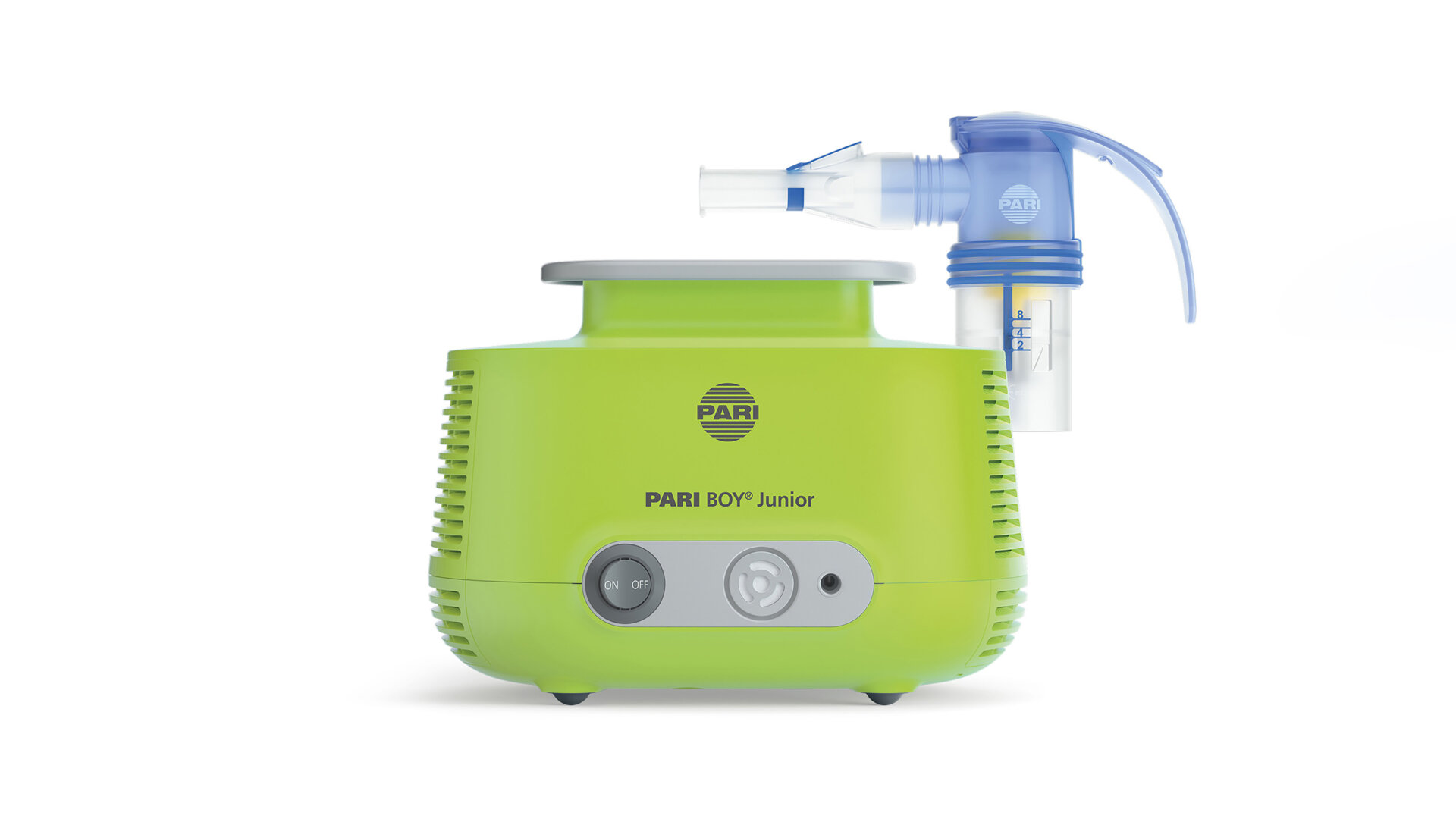
For familiar or relatively simple products, generative AI can often create convincing photorealistic product images. With new, technically complex or highly customized products, however, an AI model does not automatically know the exact geometry, proportions or product-specific design features.
To create realistic and brand-consistent AI product visualizations, suitable reference material should therefore be integrated into the production workflow. This can include product photography, design references, technical information or existing 3D models.
When maximum product accuracy and consistency are required, a professional 3D model remains the most reliable foundation.
When is traditional 3D rendering better than an AI-generated image?
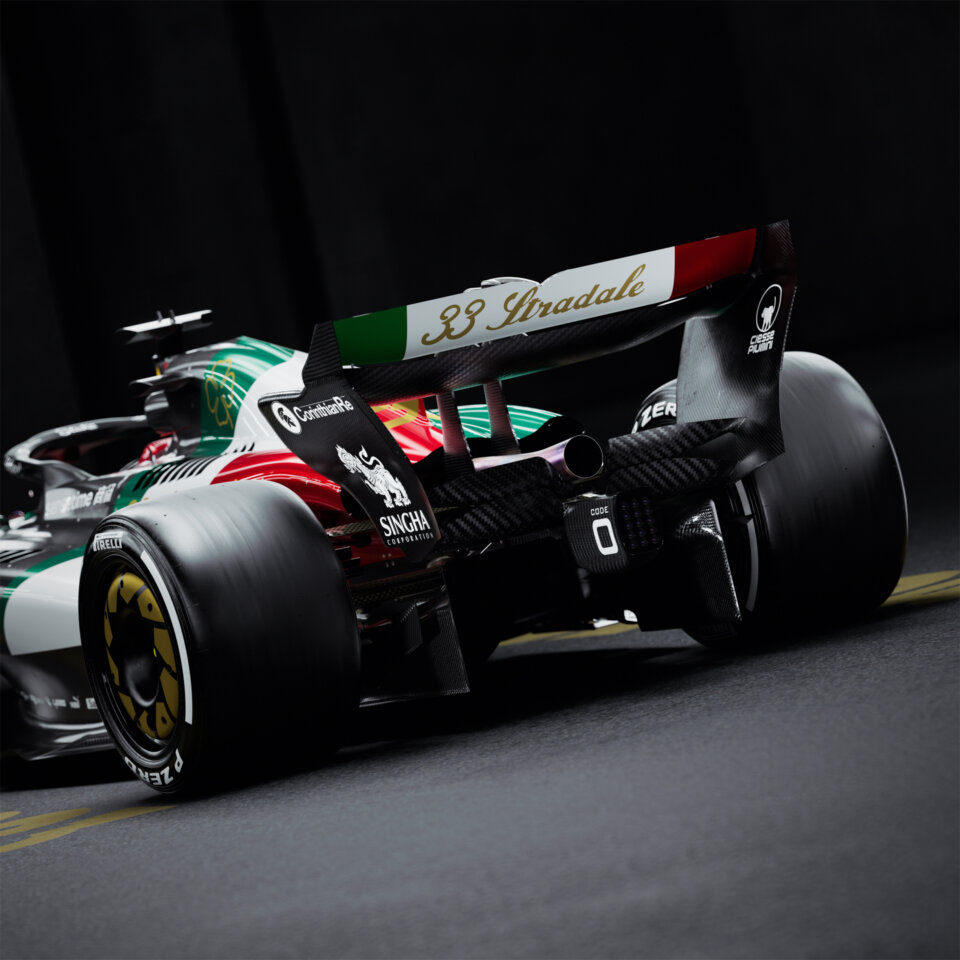
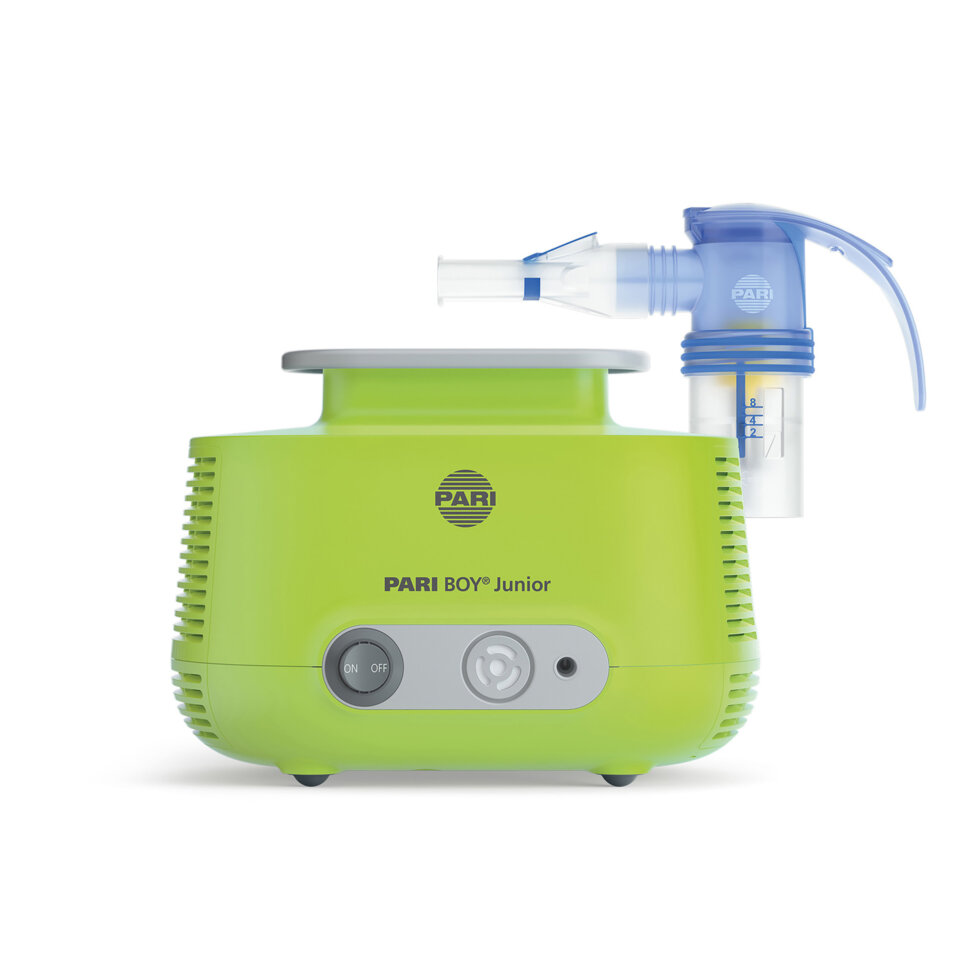
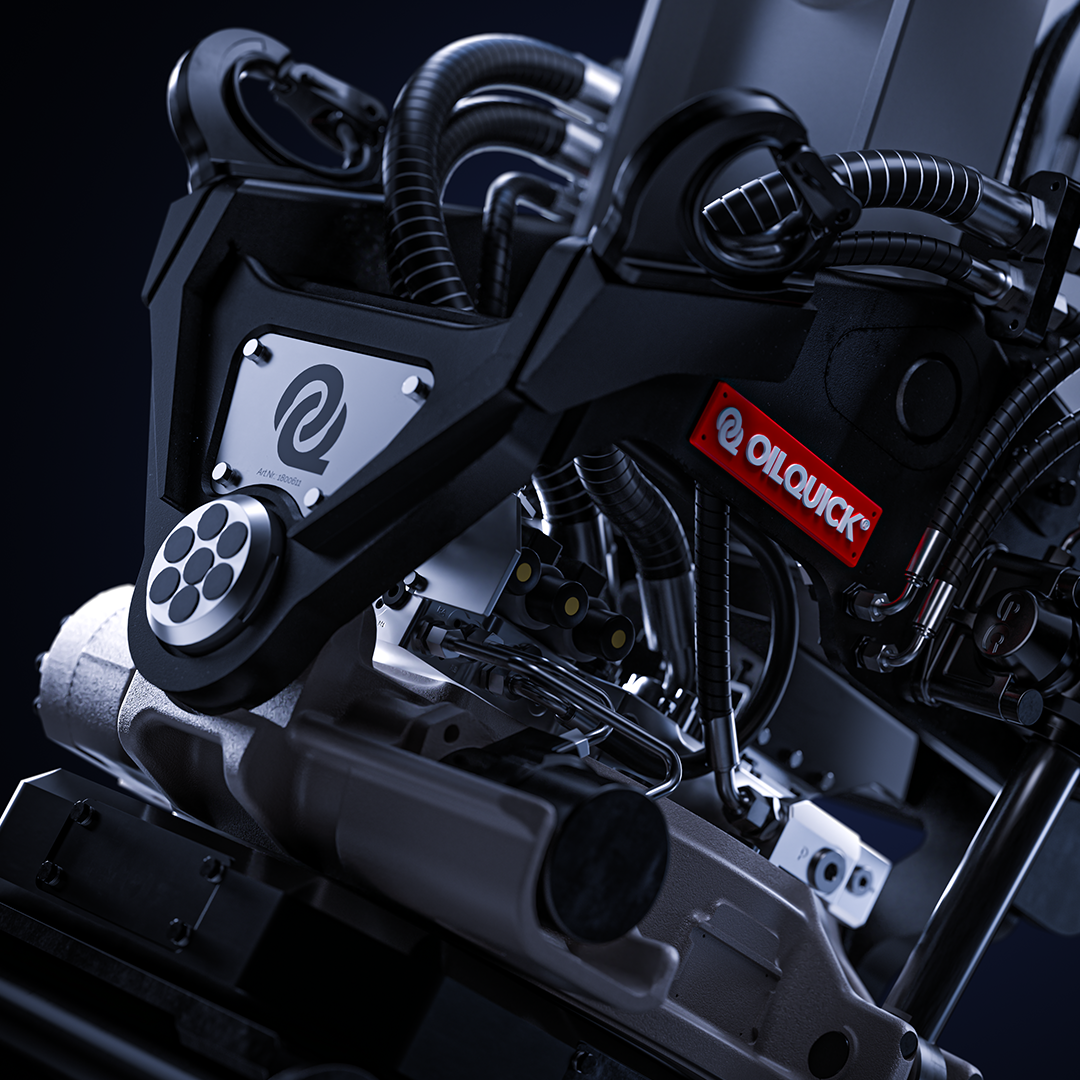
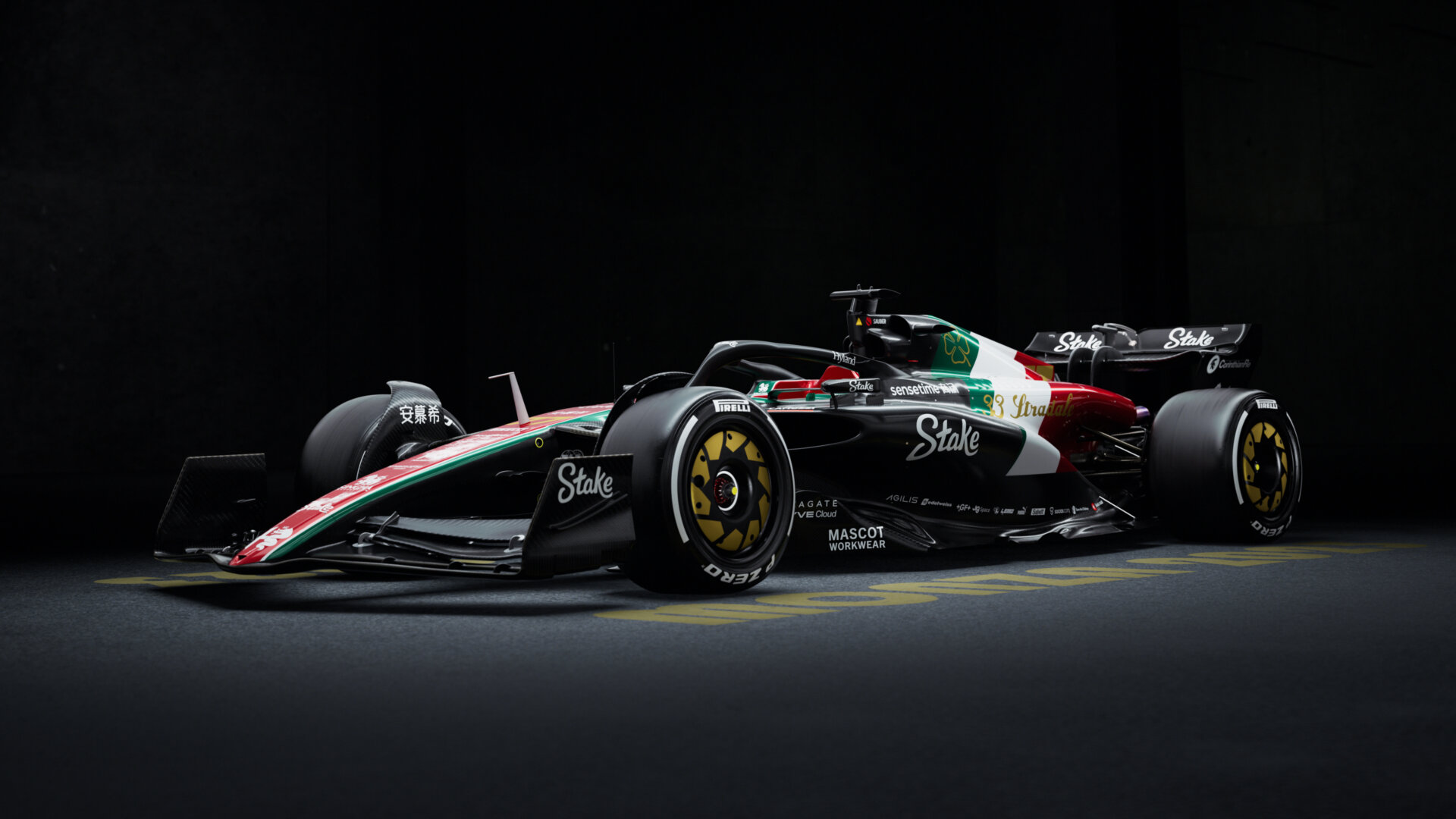
Traditional 3D rendering is particularly suitable when a product must be represented accurately, consistently and reproducibly.
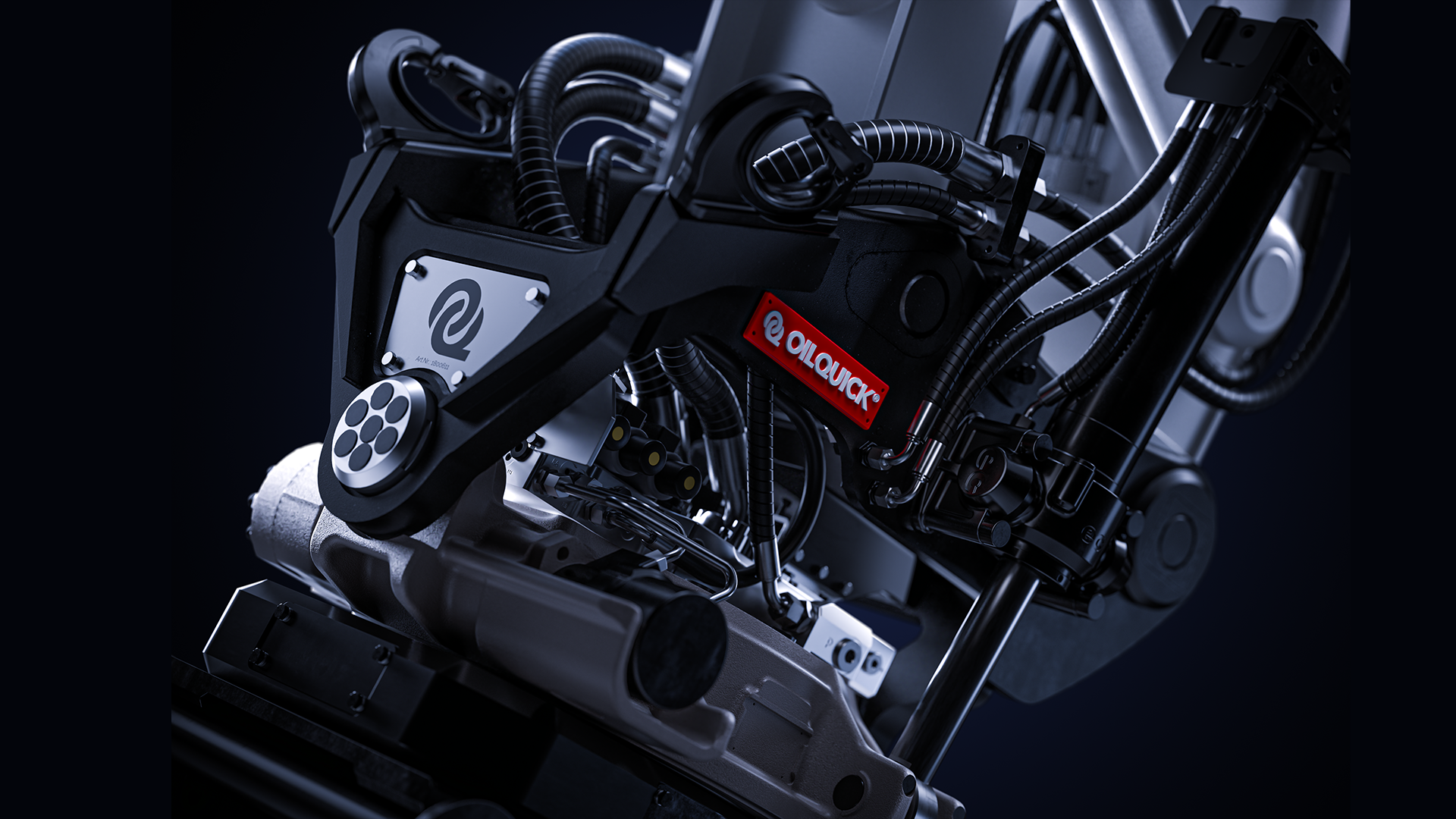
This is especially important for technical products, machinery, medical technology, packaging and other products where proportions, materials, colors and construction details must match the real product precisely.
A professional 3D model also allows an unlimited number of camera perspectives, viewing angles and image variations to be created from the same controlled digital asset. This makes it possible to maintain a consistent visual language across an entire campaign or product range.
AI-generated images are particularly valuable when different visual concepts, environments or creative variations need to be developed quickly.
In many projects, combining professional 3D rendering with generative AI therefore provides the greatest creative flexibility while maintaining a high level of product accuracy.